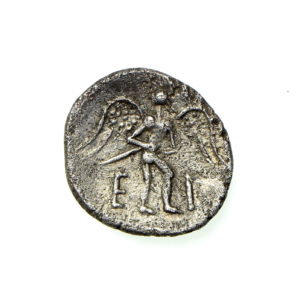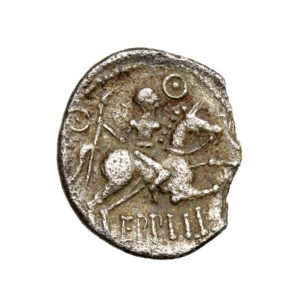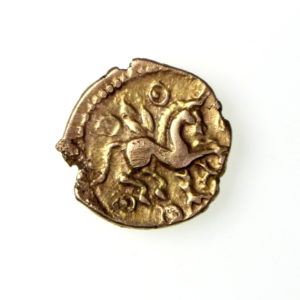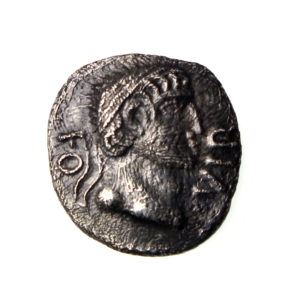
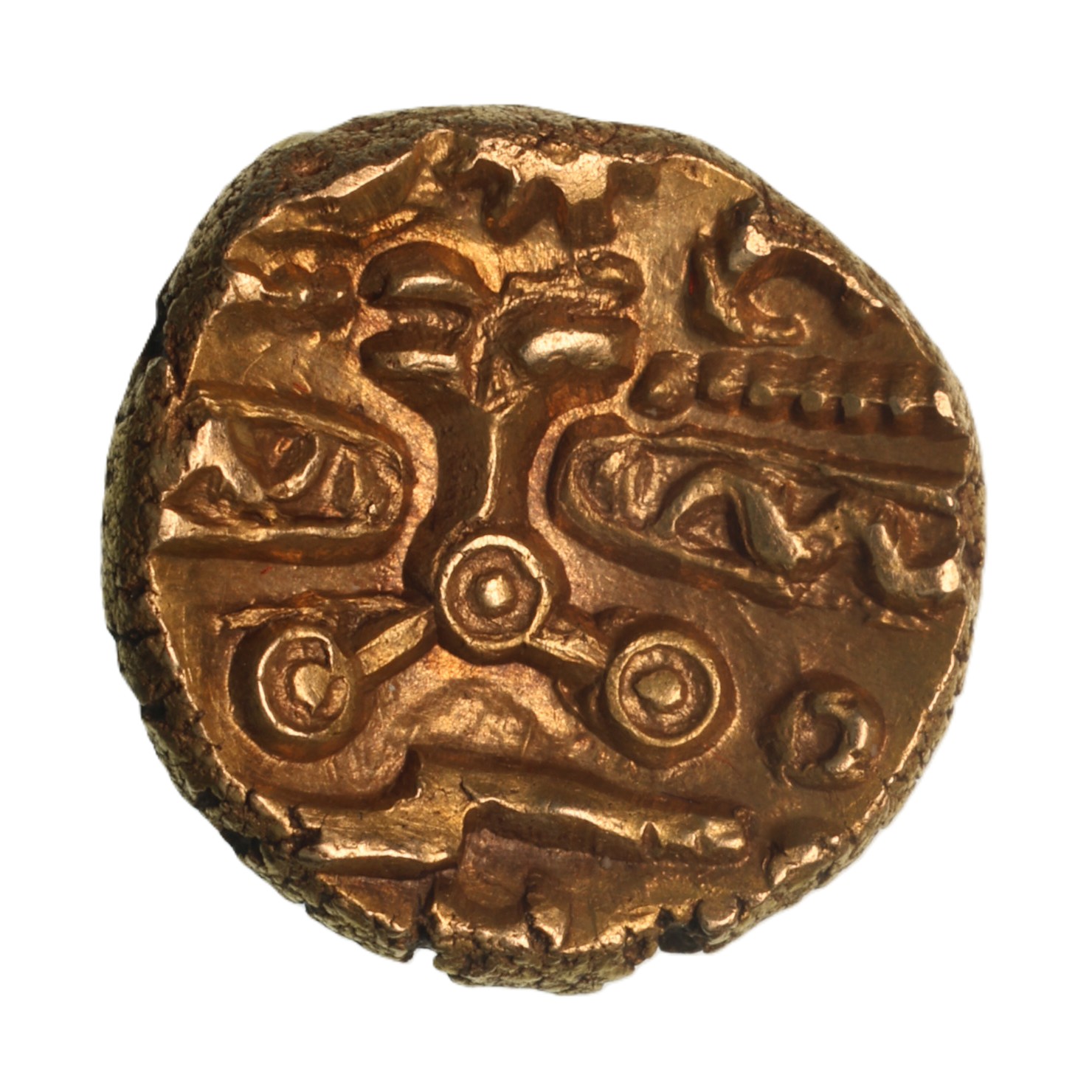
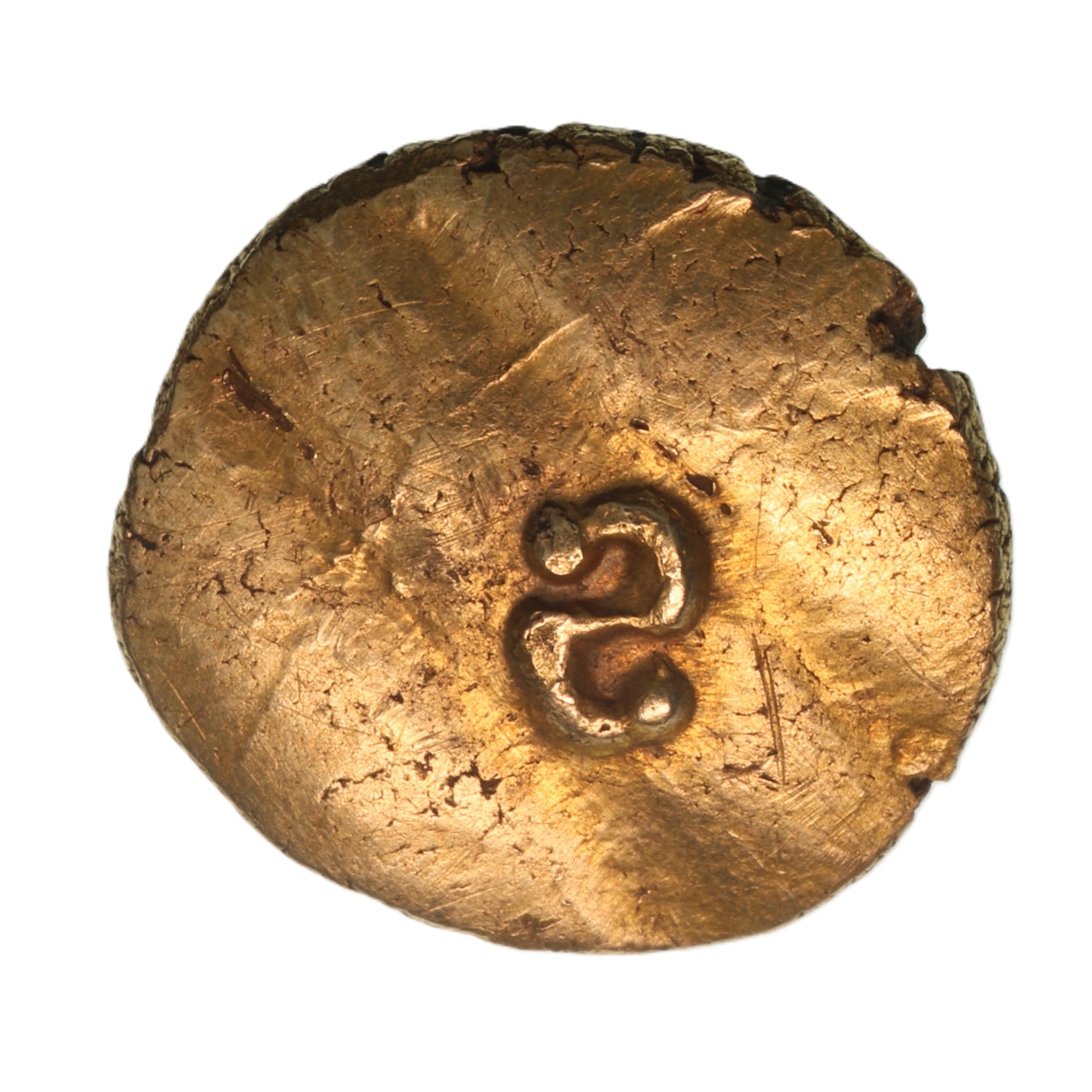
Eastern 1st Century BC S Type Cantian Style Gold Quarter Stater *Extremely Rare*
£2,250.00
Eastern 1st Century BC S Type Cantian Style Gold Quarter Stater
Reversed S-shape on plain, banded field.
Stylised Roman trophy (‘palm tree’) with ringed pellet at base. Annulets, ringed pellet, fronds and cog above. Corded horizontal central line. Zigzags within thin panels either side of tree below line.
Extremely Rare, 16 known.
An extremely sharp coin on both sides, it would be difficult to find a better example.
ABC 2243 (plate coin); 11mm, 1.38g
Sills DK 451 (2 obverse, 4 reverse dies): Early North-East Thames Coinage; Type: British Le2/Essex Banded; Quarter Staters: S Type. The equivalent stater is the SS (ABC 2237). One die has an S, the other a reversed S. Die links suggest a brief production. The reverse is from Gallo-Belgic D Scheers Class 5 (CCI 95.3757) rather than the Floret (ABC 2246) or Double Snake (Sills 447), which are also from Scheers Class 5 but combine other features. The fronds come from the SS.
Essex Banded mostly uniface gold is typologically unrelated to other north Thames issues. They might be contemporary to or later than British Ld/Ld. They are simiar to Gallo-Belgic D.
Sills chronology: Gallo-Belgic Ca – British G (Early Clacton) / Aa Westerham – British Ab (Great Waltham) – Shotley (British F) – British Lc/Ld – Local Issues/Essex Banded.
Provenance
This coin is from The London Collection of Ancient British Coins. For more information click here: The London Collection – Silbury Coins : Silbury Coins
C Rudd FPL 27, no 90. Found Great Dunmow, Essex 1996. CCI 97.1011. ABC plate coin
This coin comes with a previous label.
Eastern
There are 33 early uninscribed types, found mainly in the eastern part of the North Thames region, especially Essex, which can’t comfortably be attributed either to the Trinovantes of the Catuvellauni. They are mostly extremely rare types – only seven were published by Van Arsdell, and they don’t seem to slot into any of the principle North Thames series. These may be variants struck by the Trinovantes or Catuvellauni or they could have been struck by smaller sub-tribes.
Out of stock